

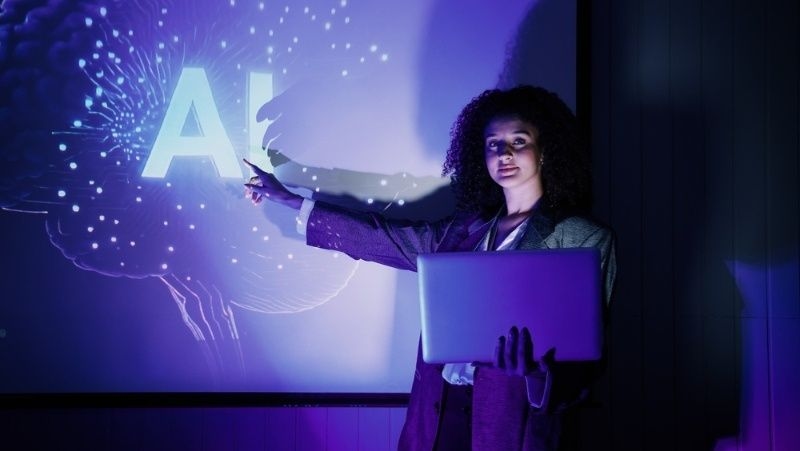
AI in the workplace has completely changed the way businesses fulfill their everyday tasks. It has also helped people to work faster and handle tasks more efficiently. The integration of AI has made a huge impact in the world of business.
In this blog, you will understand the role of AI in the workplace and help you understand how AI will be replacing jobs in 2026.
Must Read:
You can check the following list to understand the role of AI in the workplace:
Many systems are now used to manage tasks that repeat daily, such as sorting data or tracking updates. This reduces manual effort and gives people more time to focus on tasks that need attention and thinking.
AI tools can analyze patterns and provide suggestions to support decision-making. Still, these suggestions are not final. People review them, adjust them, and make sure they fit the situation properly.
When tasks are tracked and managed through systems, work becomes easier to follow. Teams know what is done, what is pending, and what needs attention without confusion.
There is a lot of talk about what AI can do, but the limits are just as important. And they show up more often than expected.
One of the biggest issues is data. If the data is incomplete or unclear, the output also becomes unreliable. Systems cannot fix poor input on their own. Someone has to step in and correct it.
Then there is the human side of work. Machines do not understand emotions, tone, or intent. This creates gaps in areas where human interaction matters the most.
Sometimes the problem is not the system, but how it is used. Many workplaces expect fast results, but they skip proper setup and training. That is where things start to fall apart quietly.
AI automation impact sounds big, and in some ways, it is. But when looked at closely, it is more about change than replacement.
Work is not vanishing. It is moving from one form to another. Repetitive tasks are handled by systems, while people take on work that requires thinking and awareness.
Employees are expected to work with tools, not avoid them. Learning becomes part of the job, not something separate. It happens while working, sometimes without even noticing it.
Work gets done faster, no doubt. But speed without checking can create problems. Even small mistakes can grow if they go unchecked.
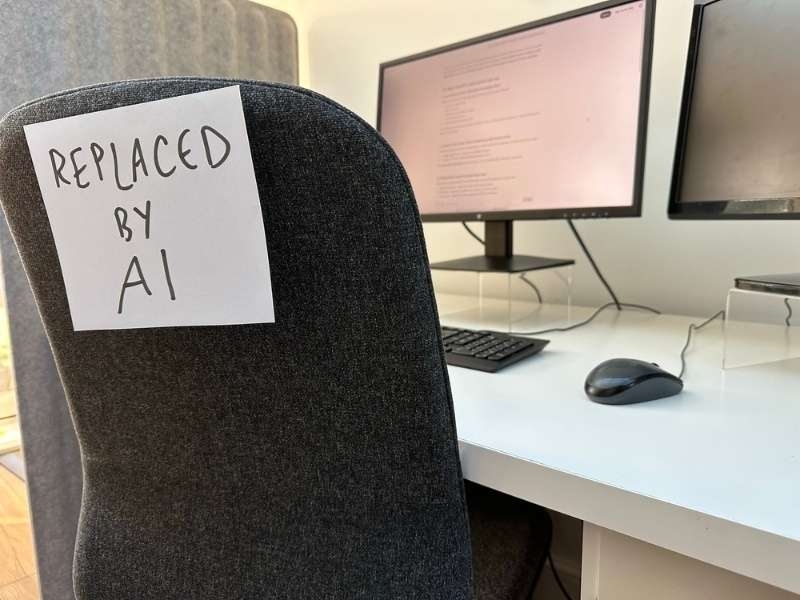
The idea of AI replacing jobs often feels sharper than the reality. Some roles are changing, yes. But the change is not as simple as it sounds.
Jobs that depend on repeated steps are becoming less common. Systems handle these tasks consistently, reducing the need for manual effort over time.
While some roles are reduced, others appear. People are now needed to manage systems, check outputs, and guide processes. These roles did not exist in the same way before.
There is a shift toward tasks that require ideas, decisions, and communication. This kind of work cannot be fully handled by machines, at least not reliably.
Artificial intelligence jobs are growing, but getting into this space is not about rushing. It takes a steady approach.
Learning should match real work needs. Understanding how systems behave, how data is handled, and how tools are used in daily work makes a real difference.
Working on small projects helps understand how things work in practice. It builds confidence slowly and prepares individuals for actual job roles.
The field keeps changing, but learning does not have to be difficult. Simple and consistent learning works better than trying to cover everything at once.
Must Read: AI Screening Hiring Impact on Fairness, Risk, and Compliance
The future of work AI is often discussed as a complete transformation. But in reality, it depends on how things are handled step by step.
The future depends on cooperation. Systems handle tasks, people handle decisions. One cannot fully replace the other, at least not in practical settings.
Adopting new systems is not instant. It takes time to train teams, adjust workflows, and understand what works and what does not.
Simple and clear use of tools often works better than complicated systems. When things are easy to understand, they are easier to manage and improve.
AI in the workplace is growing, but it is not without limits. It supports work, changes roles, and improves efficiency, but it still depends on human effort. The future is not about replacement. It is about balance, where systems assist, and people continue to lead with understanding and judgment.
AI in the workplace helps people to organize work processes and decision-making. It performs the same tasks repeatedly and provides valuable information about them. Nevertheless, AI requires human input for correct use in practice.
AI replacing jobs is not happening in its entirety. Some jobs have been transformed or eliminated. At the same time, new jobs are emerging that involve systems and more complex tasks.
AI jobs require skills that are more practical than theoretical. Individuals can prepare for AI jobs by understanding how the system works, practicing hands-on on smaller projects, and staying up-to-date with changes.
This content was created by AI