

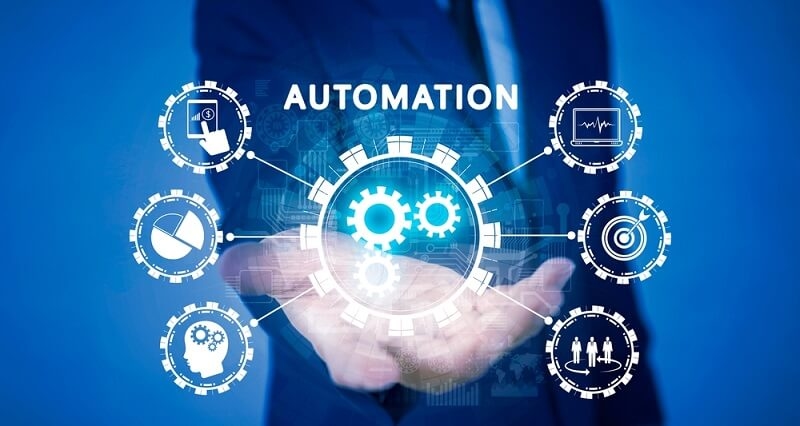
AI automation is changing how work moves across systems and teams every single day. It speeds things up, reduces manual effort, and handles tasks that once needed constant attention. But speed alone does not guarantee accuracy.
This blog will explain the reasons failures happen inside workflows and how AI automation handoff can fix them.
Must Read: Smart Payroll Automation to Save Time and Reduce Errors
AI workflow automation often looks smooth from the outside, but inside, things are not always that simple. Workflows depend on inputs, timing, and clarity. When even one of these is off, the system continues, but the output starts to drift.
There are moments where data is missing. Sometimes, instructions are not clear enough. And then there are cases where the system simply does what it is told, even when the situation has changed.
This is where the real issue begins.
Automation failures do not always break the process. They quietly pass through it. A wrong output gets accepted. A decision moves forward without review. No alerts, no warnings, just a slow build-up of errors. And because everything still appears to be working, teams assume it is fine.
The missing link here is the structure. A clear point where someone checks the output before it moves ahead. The workflow becomes fragile without that.
Automation failures are not sudden events. They build over time. Small gaps, repeated again and again, slowly turn into bigger issues.
Once automation is in place, teams expect it to handle everything. But real work is not predictable. There are always exceptions, and systems do not always respond well to them.
When a task is automated, it feels like no one owns it anymore. So, when something goes wrong, there is no clear place to look.
If inputs vary from one case to another, the output will vary too. The system is not wrong. It is just following what it receives.
Top Pick: AI Screening Hiring Impact on Fairness, Risk, and Compliance
Human in the loop AI adds something that systems alone cannot provide. It adds judgment.
Not everything can be defined in rules. Some decisions need context. Others need experience. And sometimes, things just do not look right, even if the data says they are. This is where human involvement becomes important.
Instead of removing humans completely, this approach keeps them at key points in the process. Not everywhere, just where it matters most.
A system might process data quickly, but a person can spot patterns that do not fit. A system might follow rules, but a person can question them when needed.
There is also a level of comfort here. Teams feel more confident when they know there is a checkpoint. It reduces risk. It makes the process feel more controlled. And when workflows change, humans adapt faster. Systems take time to update. People adjust in the moment.
AI error handling is not just about fixing problems. It is about catching them before they spread.
Many workflows are built for success. They assume everything will go right. But real work does not follow that pattern. There are gaps, delays, and unexpected situations. A strong system accepts this from the start.
It sets checkpoints. Not too many, just enough to validate what is happening. At each stage, the output is either confirmed or reviewed. This simple step changes everything.
Instead of errors moving through the entire workflow, they are stopped early. This means less rework later and also less confusion.
Feedback also plays a role here. When something goes wrong, the system should not ignore it. It should learn from it. Over time, this improves accuracy.
Not every automated workflow delivers results. Some look good on paper but struggle in practice. The difference often comes down to structure.
Each stage should have a person in charge of reviewing and approving the output before moving forward. This would prevent confusion and ensure that none of the tasks are left out.
When the data is in a standard form, the systems are able to process it easily. This would reduce the chances of inconsistencies in the output and would be easy to review in case of a need to do so.
Instead of making assumptions, the workflow should be guided by rules. The rules would enable the systems and the teams to respond appropriately even in the case of changing and complex situations.
Checkpoints are control points in the workflow. They would enable the teams to detect problems and prevent them from affecting the process later on.
A proper handoff is where control returns to the process. It connects automation with responsibility.
Instead of letting tasks move endlessly, workflows should clearly define when a human needs to step in. This removes gaps and ensures every output is reviewed at the right time.
Outputs should not wait until the end for review. Checking them at each stage allows quick corrections, keeping the workflow accurate without slowing it down too much.
Not every case follows the same path. Assigning roles for handling unusual situations ensures that issues are managed quickly without disrupting the entire process.
Every correction should inform the system. This helps reduce repeated errors and improves performance, making the workflow stronger with each cycle.
Some workflows look fine until pressure builds. That is when the cracks start to show.
If teams keep fixing outputs, it means the system is not aligned with real conditions and needs better structure.
When people are unsure what to do next, it usually means the workflow lacks clear handoffs and defined roles.
Inconsistency often points to gaps in data or unclear decision rules, both of which affect performance.
AI automation delivers real value only when workflows are clear and controlled. A strong handoff ensures every step is checked, every error is caught early, and every decision is reliable. When structure supports automation, systems become easier to trust, manage, and improve over time.
It is the point where automated output is reviewed by a human before moving forward in the workflow.
They happen due to unclear workflows, missing data, and a lack of proper checks at different stages.
It adds a layer of review where humans can check outputs and handle cases that systems may not fully understand.
This content was created by AI