

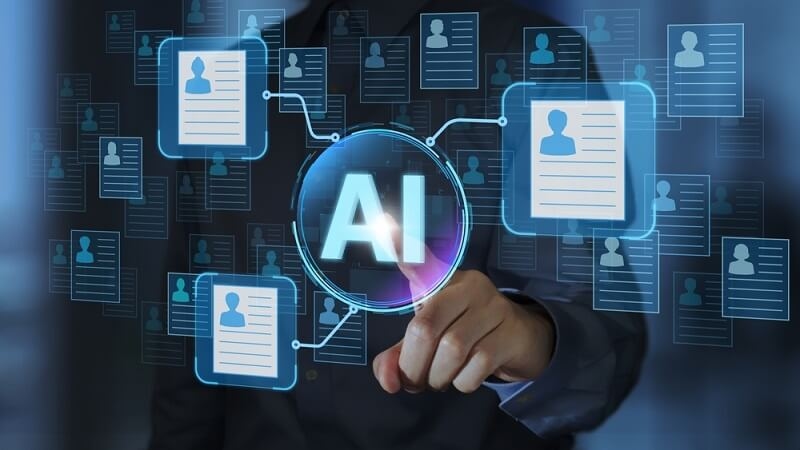
Here’s the thing. Hiring used to feel messy, human, and a little unpredictable. A stack of resumes on a desk, coffee rings on paper, gut feelings mixed with spreadsheets. Then AI showed up, quietly at first. Now it’s everywhere. From scanning resumes at midnight to ranking candidates before a recruiter has even logged in, AI Screening Hiring has reshaped how companies in the US find talent.
This blog looks at the full picture. Not just the speed or cost savings, but the harder questions. Is it fair? Where does risk creep in? And how does HR compliance keep up when algorithms make the first call? We’ll walk through how AI resume screening works, where automated hiring tools shine, where hiring bias AI can stumble, and what HR teams need to watch closely to stay compliant. No hype. No panic. Just a grounded, human look at a very real shift in hiring.
AI Screening Hiring has moved from a “nice to have” to a core part of recruitment strategies across the US. Companies facing thousands of applications for a single role needed help, fast. Algorithms stepped in, promising consistency and speed. But speed changes behavior, and consistency can hide blind spots.
Let’s be honest. Recruiters were drowning. One open role could bring in 500 resumes, sometimes more. Automated hiring tools offered relief. They could scan, sort, and shortlist while humans slept. That alone felt revolutionary.
But there was another pull. Leaders wanted fewer claims of favoritism and more data-backed decisions. AI, at least in theory, doesn’t have moods or office politics. It follows patterns. That promise still drives adoption today.
Despite the buzz, most AI Screening Hiring tools handle narrow tasks. They parse resumes, score keywords, flag gaps, and rank candidates based on preset criteria. Tools like HireVue, Pymetrics, and Eightfold AI focus on pattern matching, not intuition.
Here’s where expectations sometimes get ahead of reality. AI doesn’t “understand” potential. It mirrors past data. That detail matters more than many teams realize.
Fairness is the heart of the debate. AI resume screening is often sold as a way to reduce human bias. And yes, it can help. But it can also repeat mistakes at scale if no one’s paying attention.
You know what? Machines don’t wake up biased. But they learn from biased histories. If a company’s past hires skewed toward one background, the system may treat that pattern as success.
This is where hiring biased AI becomes tricky. The bias isn’t emotional. It’s statistical. And that makes it harder to spot.
AI models trained on old resumes inherit old assumptions. Certain schools. Certain job titles. Certain career paths. Candidates who took nontraditional routes, switched industries, or had employment gaps can slip through the cracks.
Ironically, the very people companies want to include may be filtered out before a human ever looks.
Learn More: Top Hiring Trends in 2025: How HR Hiring Is Evolving

Automated hiring tools save time, no doubt about it. But risk doesn’t always announce itself. Sometimes it creeps in quietly, line by line, rule by rule.
Filters feel efficient. But overly strict rules can erase nuance. A missing keyword. A different phrasing. A resume formatted in an unexpected way. Gone.
Recruiters often discover this late, when a hiring manager says, “Why didn’t we see more diverse profiles?” By then, the pool is already shaped.
Many automated hiring tools operate as black boxes. Vendors protect their algorithms as trade secrets. That makes it hard for HR teams to explain decisions if challenged.
From a risk perspective, that’s uncomfortable. From a legal perspective, it can be dangerous.
There’s a popular myth that AI removes humans from bias. In reality, humans just move upstream. They choose the data, set the rules, and decide what success looks like.
Bias can enter through job descriptions, weighting systems, or even the definition of “culture fit.” Hiring bias AI reflects those inputs faithfully. Too faithfully.
The uncomfortable truth? AI often amplifies whatever values already exist. Good or bad.
AI Screening Hiring works best as a filter, not a judge. Human review adds context. It catches oddities. It asks questions algorithms can’t.
Teams that skip this step often regret it later, especially when complaints surface or diversity goals stall.
Recommended Article: Elevating Candidate Experience: Winning the HR Hiring Process
HR compliance used to mean paperwork, policies, and training sessions. Now it includes model audits, documentation, and cross-functional reviews. The rules didn’t disappear. They evolved.
In the US, regulators are watching closely. Equal Employment Opportunity laws still apply, regardless of whether a human or machine made the call. New York City’s bias audit rules for automated hiring tools are an early signal, not an outlier.
Companies can’t shrug and blame the software. Responsibility stays in-house.
HR compliance now means documenting how AI Screening Hiring tools work, what data they use, and how often they’re reviewed. This feels tedious, but it’s protective.
When questions come, and they will, clear records can make all the difference.
Speed is seductive. Faster hiring feels like progress. But accountability slows things down, sometimes on purpose. The challenge is finding balance without burning out teams.
Smart organizations set limits. AI screens, humans decide. Regular audits check outcomes. Feedback loops adjust criteria.
This isn’t about mistrusting technology. It’s about respecting its power.
Legal, HR, data science, and DEI teams working together catch issues earlier. One group alone rarely sees the full picture.
Yes, meetings increase. But so does confidence.
Top Pick: Role of Artificial Intelligence in Streamlining Recruitment
AI Screening Hiring sits at a crossroads. It can support fairer, faster hiring. Or it can quietly reinforce old patterns with new tools. The difference lies in oversight, transparency, and a willingness to question outputs instead of trusting them blindly.
For US employers, the message is simple. Use AI resume screening and automated hiring tools thoughtfully. Watch for hiring bias AI signals. Treat HR compliance as a living process, not a checklist. And keep humans in the loop as partners.
Yes, but existing employment laws still apply. Employers are responsible for outcomes, even when software is involved.
It can help, but only with careful data choices and regular reviews. Poor inputs can worsen bias.
No. They support early stages, but human judgment remains essential for final decisions.
Data sources, screening criteria, audit results, and decision workflows are all key for HR compliance.
This content was created by AI