


Hiring isn’t what it used to be. Not long ago, recruiters had piles of resumes sitting on their desks for days, sometimes weeks. Now? Software scans those stacks in minutes. Sure, it saves time, but speed brings its own problems. If you set up the system wrong, good candidates get lost, just quietly slipping through the cracks. That’s where employers mess up. AI tools can help, but they’re not magic. You still need real people making decisions, clear rules, and regular checks in place. Rushing the process just leads to unfair hiring and missed talent. So, let’s dig into how employers can use AI resume tools without falling into these traps.
AI Resume Screening has become common because employers receive too many applications for one role. A recruiter hiring for a single office job may get hundreds of resumes. Reading each line by line takes time; many companies simply do not have it.
The software helps sort resumes based on skills, job history, education, or selected keywords. It reduces manual work. Yet there is another side to it. If the system is poorly set up, strong applicants may never even reach a recruiter.
One mistake businesses make — especially small firms trying to save time — is trusting software too much. The AI screening tool should narrow choices, not make final hiring calls.
Recruiters still need to review shortlisted applicants. Occasionally, the resume may appear to be an unusual type, but the experience is quite solid. Computer systems can misinterpret resume information from applicants with employment interruptions, different vocabulary, or other non-traditional experiences.
AI can reduce the repetitive tasks traditional recruiters execute and allow them to focus on interviewing, communicating, and making decisions faster, instead of spending hours reading through hundreds of unqualified resumes.
Here’s what employers usually notice:
But just because things move faster doesn’t mean they’re better. You can’t just set it and forget it.
Bad hiring often begins with a messy job description. If the role description is unclear, the software may scan for the wrong things.
For example, if a company writes ten different skills when only three truly matter, the system might reject qualified people. Employers should define what is actually essential before screening begins.
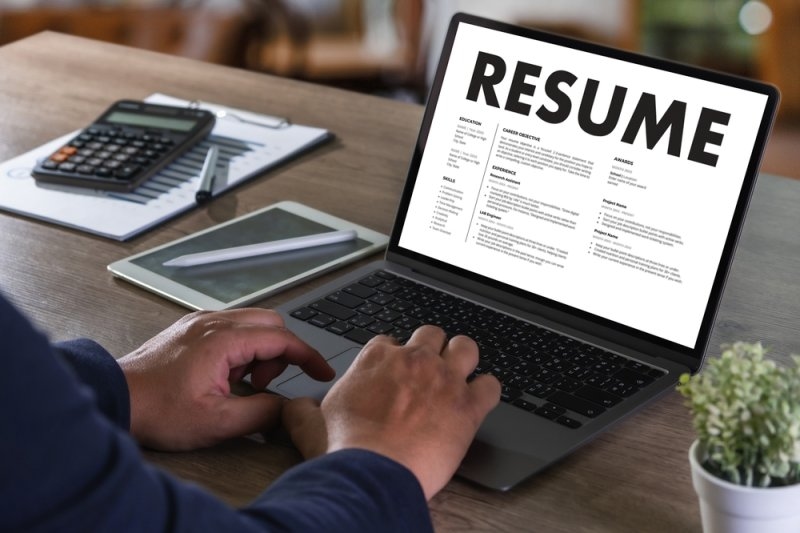
Automated resume screening works best when employers regularly review how the software behaves. Many companies switch it on once and then forget about it. That creates problems over time.
Hiring process and patterns shift. Job requirements change. Language in resumes evolves, too.
Employers should test resumes through the system every few months. This sounds boring, maybe unnecessary — but it matters more than people think.
Try uploading resumes from successful past hires. Would the system select them today? If not, something probably needs fixing. A strong employee should not suddenly fail the screening process because of keyword confusion.
Keyword matching helps software work faster, but too much dependence becomes risky. Not everyone describes skills in the same way. One person may write “team management.” Another writes “staff supervision.” Same ability, different wording.
Rigid filtering can quietly remove talented applicants for no good reason. Employers should widen matching terms instead of depending on exact language only.
This part gets ignored more than it should. AI systems learn from data. If older hiring decisions carried bias, the software may repeat similar patterns without anyone noticing. Perhaps some schools get a better deal.
It is essential to review the new hire regularly. Look for patterns that appear to be unusual; qualified applicants are being eliminated for some reason, and similar applicants continue through the hiring process.
There are a few best practices employers should follow to help prevent any legal or ethical implications and achieve a successful AI hiring process.
When using this type of technology in the hiring process, candidates should be made aware. It builds trust. Besides, transparency matters more now because people increasingly want fairness in recruitment.
Recruiters should agree on what actually matters before screening begins. Education? Experience? Specific technical skills? Absence of standards makes hiring inconsistent. One recruiter values certifications, another ignores them. Then the software gets confusing instructions.
Even smart systems make mistakes. Some resumes do not fit standard formats. Others explain skills differently. A recruiter should always review shortlisted applicants plus rejected profiles occasionally. This helps catch errors that the software missed.
Hiring today feels totally different, even compared to five years ago. More applications, less time, and the pressure is on. That’s why AI hiring tools grabbed so much attention. Still, technology won’t fix everything. The employers who get it right use AI as a tool, not a crutch—they hire faster, keep things consistent, and avoid big mistakes. Shortcuts, though, usually blow up in your face.
Solid hiring still comes down to people who pay attention, check what’s happening, and aren’t afraid to ask questions. The best approach is really simple. Let technology handle the boring stuff, and let humans step in when judgment matters. Getting that mix right makes hiring way better.
Use AI resume screeners as a helper, not a boss. Resumes can be sorted rapidly by the software, but it might not be enough, and resumes still have to be checked by the recruiters. That human layer stops unfair filtering and helps spot great applicants who don’t fit the usual keywords.
Definitely, small teams often drown in hiring paperwork, so AI tools save time by doing the first sort. Simple systems with clear settings are usually the best option—overcomplicating things just gets confusing.
Depends on what you’re using and how many people you’re hiring. Plenty of affordable tools out there for smaller businesses, while bigger, fancier systems cost more. The trick is to compare features, not just the price—don’t waste money on stuff you’ll never use.
Nope, not completely. AI can lower some bias, but it can also repeat old hiring habits if the data behind it isn’t good. Therefore, periodic checks and some people's participation are still necessary to maintain a fair hiring process.
This content was created by AI