

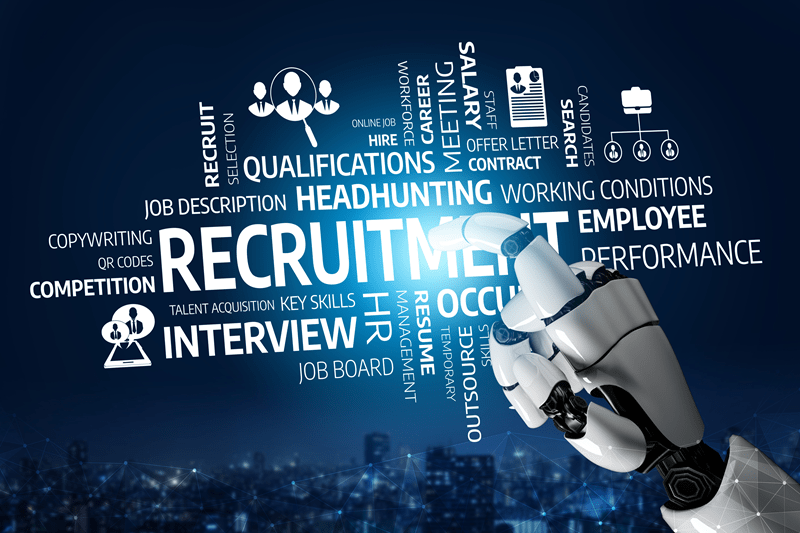
AI in recruiting coordinator workflow is no longer about replacing people; it is about fixing the messy parts of hiring. Coordinators juggle emails, calendars, resumes, and updates all day. With AI in the recruitment process, those tasks feel lighter. Tools now support AI interview scheduling, improve communication, and reduce delays. Many teams also look ahead to recruiting automation in 2026 as a way to stay organized and fair. What this really means is recruiting feels more human when the busy work is handled quietly.
AI in the recruiting coordinator workflow refers to the use of intelligent systems to support daily hiring tasks. These systems help manage repetitive steps so coordinators focus on people.
Common workflow areas include.
With AI recruiting tools, coordinators gain clarity instead of chaos. The workflow feels smoother and more predictable.
Read More: How Does the AI Hiring Process Simplify Recruitment Today?
Recruiting coordinators often manage dozens of roles at once. Manual work creates delays and errors.
Challenges include.
AI in the recruitment process reduces these issues by consistently handling routine steps. This support allows better attention to candidates.
Let’s break it down. AI in the recruitment process supports tasks that follow clear patterns.
These tasks include.
With AI recruiting tools, coordinators save time and reduce stress. Work feels more focused and less reactive.
Scheduling interviews takes time. Back-and-forth emails slow everything down.
AI interview scheduling solves this by.
This reduces delays and errors. AI in the recruiting coordinator workflow benefits greatly when scheduling becomes automatic.
Recruiting automation in 2026 reflects growing interest in long-term efficiency. Teams want systems that scale with growth.
This trend focuses on.
While change feels gradual, AI in the recruiting coordinator workflow continues to expand in valuable ways.
Candidate experience matters. Confusing communication damages trust.
AI recruiting tools improve the experience by.
When candidates feel informed, trust grows. AI in the recruitment process supports better relationships, not distance.
Automation helps, but people still decide. AI in the recruiting coordinator workflow works best when balanced.
Human judgment remains essential for.
AI recruiting tools assist, not replace, human insight. This balance protects fairness and quality.
Data errors create confusion. Manual tracking increases risk.
AI helps by.
With AI in the recruitment process, data stays clean and functional. Coordinators rely on accurate records.
Bias remains a concern. AI can help or harm depending on the setup.
Responsible use includes.
When monitored carefully, AI recruiting tools support fairer screening within the AI recruiting coordinator workflow.
In-Depth Guide: Role of Artificial Intelligence in Streamlining Recruitment
Communication often breaks down under pressure. AI helps standardize messages.
Benefits include.
AI interview scheduling also improves communication by reducing missed messages. Candidates feel respected and informed.
Time saved changes priorities. Coordinators gain space for meaningful work.
Freed time allows.
AI in the recruiting coordinator workflow shifts the role from task manager to experience builder.
As automation grows, skills evolve. Recruiting automation 2026 points to new coordinator strengths.
Future skills include.
The future of recruiting jobs values adaptability and judgment alongside technology.
The future of recruiting jobs is not about fewer people, but a different focus.
Human value remains strong.
AI in the recruiting coordinator workflow supports humans by removing friction, not by taking on purpose.
Change works best in steps. Full automation overnight causes stress.
Best practices include.
Gradual integration strengthens trust in AI recruiting tools and improves adoption.
Recruitment involves sensitive data. AI must respect privacy.
Important practices include.
AI in the recruitment process must align with ethical and legal standards to build trust.
Success needs clear metrics. AI tools offer tracking support.
Useful measures include.
These metrics show how AI in the recruiting coordinator workflow improves outcomes.
Resistance is natural. Fear of change slows adoption.
Common concerns include.
Clear communication helps teams see how AI recruiting tools support rather than replace roles.
Training matters. Tools work best when users understand them.
Training should focus on.
With training, AI in the recruitment process becomes a trusted partner instead of a mystery.
Over time, scheduling automation creates stability.
Long-term benefits include.
AI interview scheduling becomes a foundation for smoother recruiting operations.
Technology should reflect values. Hiring values guide configuration.
Alignment includes.
AI in the recruiting coordinator workflow works best when aligned with organizational culture.
Preparation reduces disruption. Teams can prepare early.
Preparation steps include.
Looking ahead to recruiting automation in 2026 helps teams stay proactive and confident.
Worth a Look: AI Hiring Process: Transforming Recruiting Strategies
AI in the recruiting coordinator workflow improves clarity, speed, and fairness in hiring. With a more effective use of AI recruiting tools and thoughtful automation, coordinators gain time for people-focused work. As AI interview scheduling and recruitment automation grow, the future of recruiting remains human-centered and purpose-driven.
No. AI is replacing tasks, not jobs. It automates administrative work, allowing coordinators to focus on higher-value activities that require human connection, judgment, and strategy. The role is evolving, not disappearing.
The main risk is biased data. If an AI tool is trained on historical hiring data that contains human bias, it can perpetuate that bias. It's crucial to use tools with transparent, auditable processes and always to keep human oversight in the final decision-making.
Look for tools that are transparent about how they work. They should integrate easily with your existing HR software. Choose a vendor that offers firm support and training. Start with a pilot program for a single function, such as scheduling, before a full rollout.
Focus on skills AI can't replicate. Get great at data analysis to interpret hiring metrics. Hone your communication and employer branding abilities. Develop project management skills to improve the overall hiring process. Become the expert on candidate experience.
This content was created by AI