


Picture two job offers with the same salary. One comes with health coverage, a 401(k) match, and three weeks of vacation. The other offers a handshake and good luck. Most people don't need long to decide. That's why the types of employee benefits matter to workers and employers alike. Here's a plain-language tour, with examples and a few practical tips.
Employee benefits are everything you receive beyond your paycheck. Think insurance, time off, retirement contributions, and the occasional free lunch. Most of them sort into a few groups, including health, retirement, leave, income protection, lifestyle, career growth, and recognition. Below, you'll find the types of employee benefits and their examples, starting with the ones you'll see most.
Scroll through job postings in the US, and the same few benefits keep popping up. Knowing what benefits employers offer employees gives you a quick yardstick, whether you're judging an offer or auditing your own plan. Two groups sit at the top of that list.
Health insurance usually bundles medical, dental, and vision, and the employer typically pays part of the premium. Retirement help often means a 401(k) or a pension. Some employers match a slice of your contribution, which is basically free money. Bank of America data shows 85% of workers join a 401(k) when enrollment is automatic, compared with 36% when they must opt in. Health savings accounts and flexible spending accounts let you pay medical bills with pre-tax dollars.
Paid vacation, sick days, and holidays let you rest without sweating over rent. That keeps burnout down. Parental and bereavement leave matter just as much, since life rarely waits for a convenient moment. Here's a fact that surprises people. Federal law doesn't require paid vacation, so extra time off is a real way for an employer to stand out.
Here's the short version. The law requires some benefits, and employers pick the rest. Once that split makes sense, offer letters get easier to read, and budgets stop feeling like guesswork. The table below sets the two side by side so you can compare them at a glance.
| Feature | Mandatory Benefits | Voluntary Benefits |
| Source | Required by federal or state law | Chosen by each employer |
| Examples | Social Security, unemployment insurance, workers' compensation | Retirement matching, dental plans, wellness stipends |
| Employer flexibility | Very limited | High |
| Main purpose | Basic legal protection | Attract and retain talent. |
Mandatory employee benefits include Social Security, unemployment insurance, and workers' compensation. Together they cover retirement, layoffs, and on-the-job injuries. Covered employers must also offer unpaid family and medical leave, and larger employers must offer health coverage or pay penalties. Rules differ by state, so confirm current requirements with a qualified legal or payroll professional.
Voluntary employee benefits are the optional extras. Think retirement matching, dental coverage, wellness stipends, or an extra week of vacation. Employers use them to win over candidates, though you may pick up part of the cost for some plans. The upside is choice, so you can build around your family, your health, and your money goals.
Top Pick: Full-Time vs. Part-Time Employment: Which One Should You Pick?
Insurance and leave cover the basics. Beyond that, plenty of workers want benefits that make daily life easier, and careers move forward. Thoughtful perks tend to lift engagement, which ties closely to solid employee engagement strategies. Here's what usually matters most once the basics are handled.
Life insurance and disability coverage protect your household income if illness, injury, or a sudden loss turns life upside down. Tuition reimbursement and student loan repayment help too. Debt stress is real, and it follows people straight into work. With those safety nets in place, employees can focus on the job instead of the worst case.
Remote work, hybrid schedules, and flexible hours help you juggle family duties and long commutes. Commuter subsidies, childcare support, home office stipends, and pet insurance are increasingly common employee perks and benefits today. Flexibility costs far less than premium insurance. A ten-person shop can offer flexible start times tomorrow without adding a cent to its insurance bill.
Cash bonuses, spot awards, and peer shout-outs celebrate good work. They also remind everyone what the company values. Mentorship, online courses, and conference budgets say something different, which is that the company is investing in your future, not just your output. People who see a path forward tend to stay longer and learn faster.
Must Read: What is the Importance of Employee Engagement Strategies?
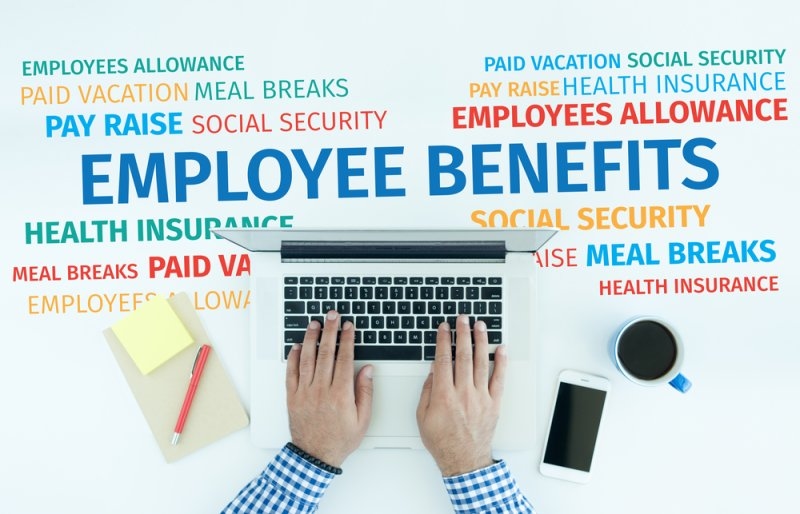
A great package starts with listening. What people want shifts with age, family life, and money goals, so guessing rarely works. Cover the legal requirements first, then add the health, retirement, and time off options your team will actually use. Eligibility matters too, since full-time and part-time roles often get different benefits under one plan.
Survey your team once a year and ask which benefits they use, value, and want next. Short pulse surveys spot gaps fast. They also show workers that leadership cares what they think. Rank benefits by demand before spending on anything new, and skip whatever nobody wants.
Don't try to build one plan that fits everybody, because it never does. Lock in the basics first, meaning health coverage, a retirement plan, and paid leave. After that, let people choose. A 28-year-old might grab a wellness stipend, while a parent with two kids would rather have flexible hours. Everyone gets something useful, and you're not overspending on perks nobody touches.
Benefits aren't a set-it-and-forget-it thing. Look at participation numbers every so often, and tweak your employee benefit programs when costs or needs shift. If half your team ignores a perk, it's probably time to drop it. Also, explain everything during onboarding and open enrollment. People can't use a benefit they don't know about or don't understand.
Good benefits plans mix legal basics, solid health and retirement support, and perks people actually want. That's the whole formula. Now that you know the types of employee benefits, look at what you offer today and pick one gap to fix first. Small changes add up, and they help every worker feel valued.
Federal law makes larger employers offer health coverage or pay penalties, yet no federal law requires retirement plans. Plenty of smaller employers still offer one or both to stay competitive when hiring good people.
Not always, because eligibility depends on hours worked, employer policy, and sometimes state or local law. Full-time staff usually get the widest range of benefits, while part-time workers may qualify for fewer options.
Surveys often show that health insurance, paid time off, retirement savings, and flexible work rank highest. Priorities vary by age and family needs, so asking your own team gives the most reliable answer.
Focus on low-cost options like flexible schedules, extra paid time off, wellness stipends, and simple recognition. These build loyalty without the heavy premiums that usually come with group health insurance plans today.
This content was created by AI