

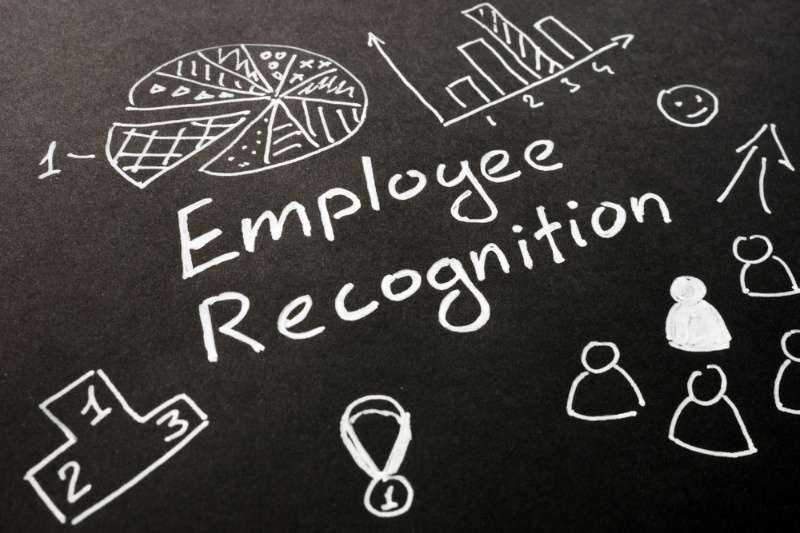
When was the last time someone at work thanked you for something you actually worked hard on? If you had to pause and think about it, you're definitely not the only one. Most workplaces run on quiet effort. People show up, do good work, and nobody says a word about it.
That's the gap employee recognition programs try to close. Not with plastic trophies or a forced round of applause at an all-hands meeting, but with real, ongoing appreciation that tells people their work is actually noticed.
Nobody wants to feel invisible at work. That's really what it comes down to. People can handle a hard day, tight deadlines, and even a difficult manager, but feeling like their effort disappears into a void wears them down over time.
Skip recognition long enough, and you'll notice something. Employees stop stretching. They do what's required and nothing more, because why would they push harder if nobody's watching anyway? Flip that around and give people a bit of appreciation now and then, and you'll usually see more initiative, more care, more people willing to go slightly out of their way.
There's also a team effect here that people often miss. Workplaces where colleagues celebrate each other's wins tend to trust each other more. It's not some magic formula. It's just what happens when people feel safe enough to be recognized and to recognize others, too.
It's easy to assume recognition just makes people feel nice for a day. But the benefits of employee recognition programs run deeper than that.
Honestly, there's no single template that works for every company. The best employee recognition programs look different depending on team size, budget, and how the company already operates. That said, a few patterns keep popping up.
Programs built around habits like these tend to hold up much better than a single awards ceremony once a year.
There are a few different types of employee recognition programs, and understanding the differences helps you decide which might actually fit your team.
Most companies that get recognition right aren't relying on just one of these. They mix a few together so it doesn't feel like a checkbox exercise.
Sometimes it helps to see actual employee recognition program examples rather than just theory. A few things companies genuinely do:
None of these is complicated. They work because they happen close to the moment, not months later, when nobody remembers the context.
If you're starting from zero, a few employee recognition program ideas worth trying:
None of this needs a big budget or approval from three departments. Small and thoughtful usually beats big and impersonal.
You don't need money to make someone feel appreciated. A few low-cost employee recognition ideas that still land well:
The price tag matters way less than people assume. Sincerity does most of the heavy lifting.

Peer-to-peer employee recognition deserves its own mention because it changes how a team feels in a way that top-down praise just can't. When coworkers can recognize each other directly, appreciation isn't limited to whatever a manager happens to catch.
This kind of recognition tends to:
A shared recognition channel or a simple nomination form is usually all it takes to make this part of everyday culture instead of a rare, awkward event.
You don't need a big launch plan. A few honest starting points:
This connects closely with the bigger picture of tracking and improving the employee experience, since recognition is one of the clearest signals employees use to judge whether a company actually values them or just says it does.
Employee recognition programs aren't some extra nice-to-have anymore. They're part of what keeps people engaged and loyal to a workplace. Whether it's a quick shout-out from a coworker or a full rewards platform, what actually matters is showing up consistently and meaning it.
Start small. Stay consistent. Let recognition become something your team does naturally, not something forced into a quarterly checklist.
Also Read: What are Employee Expectations from Employers Today?
They’re basically the ways companies acknowledge good work, formal or kind of casual, from a quick thank-you that happens in the hallway to more structured reward platforms. The point is mostly the same: to make employees feel like their contributions are really seen and appreciated, not just checked off.
In an ideal world, it’s weekly or monthly, not only during annual reviews. If appreciation shows up more often in smaller moments, morale tends to stay steadier. One big yearly gesture can get forgotten pretty quickly, within a few weeks, and then it’s like it never happened.
Yes, in a lot of cases they work better than people assume. Employees often value sincerity and timing more than the actual price of a reward. A specific thank-you that lands at the right moment usually means more than an expensive but impersonal gift that feels a bit generic.
Look at participation, then ask employees directly with short feedback prompts, and also keep an eye on retention numbers over time. If engagement signals go up while retention stays steadier, that’s a pretty strong sign the program is doing what it’s supposed to do.
This content was created by AI