

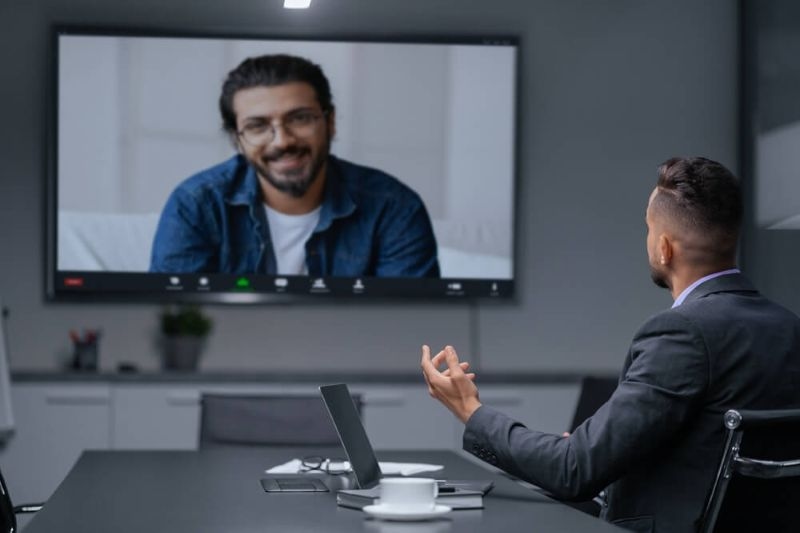
We've all been in that virtual meeting. Someone’s dog is barking, a person is typing loudly, or maybe a participant is just a blank, silent icon. Navigating the digital conference room can feel awkward. That’s where virtual meeting etiquette comes in. Good etiquette for virtual meetings is the invisible framework that keeps things smooth and productive. It’s about showing respect for everyone's time and contribution. This guide breaks down the essential meeting etiquette for virtual meetings, covering everything from simple preparation to active participation.
What is virtual meeting etiquette really? It's the set of behaviors that make online meetings effective and pleasant for everyone involved. It’s not about strict rules. It’s about common courtesy translated for a screen.
What virtual meeting etiquette really means is basic online manners. It covers how to speak, listen, present, and exit a meeting. Unlike office meetings, virtual calls conceal body language, so behavior becomes more critical. Good etiquette for virtual meetings helps avoid confusion and wasted time.
Virtual meeting etiquette builds trust and shows respect for others' schedules and ideas. When meeting etiquette for virtual meetings is followed, teams feel heard and calmer.
Key reasons it matters include
Virtual meeting etiquette for participants ensures meetings are fair, even for those with quiet voices.
Must Read: Top 2025 Employee Development Ideas to Boost Team Growth
Strong virtual meeting etiquette begins before the call. Preparation shows care, even if no one says it out loud. Meeting etiquette for virtual meetings starts with being ready.
Before joining, simple steps help a lot
Etiquette for virtual meetings also includes choosing a quiet space. Background noise can distract others, even when it is later muted. Virtual meeting etiquette 'dos and don'ts' often begin with this stage. A messy setup sends the wrong message, while a calm setup builds confidence.
Camera and audio choices significantly influence how people perceive and feel. Virtual meeting etiquette does not require cameras to be on but explains when they are helpful. For small meetings, cameras improve trust and attention.
Basic audio and video rules include
Virtual meeting etiquette for participants also means refraining from testing sounds during a call. Meeting etiquette for virtual meetings asks for respect, not perfection. Here’s the thing: bad audio annoys faster than bad video, so sound always comes first.
Talking online needs more care than in person. Delays can cause people to speak over each other, which creates frustration and confusion. Proper etiquette for virtual meetings helps avoid this awkward situation.
Good speaking habits include
Listening matters just as much. Virtual meeting etiquette for participants means staying present. Looking away often feels like ignoring, even if it's not meant to be. Meeting etiquette for virtual meetings promotes turn-taking, and hand-raising tools help quieter members participate.
The chat box can help or hurt a meeting. Virtual meeting etiquette explains when chat is useful. It should support the meeting, not split attention.
Smart chat use includes
Virtual meeting etiquette do's and don'ts clearly warn against side gossip. Private chats during meetings can quickly reduce focus. Etiquette for virtual meetings ensures chats remain respectful and brief.
This is where many slip up. Virtual meeting etiquette 'dos and don'ts' provide clear guidance that works in most situations.
Virtual meeting etiquette for participants asks for balance. Meeting etiquette for virtual meetings emphasizes shared time, and small habits repeated often can create significant problems.
Distractions kill meetings quietly. Virtual meeting etiquette means being mentally present. Even if cameras are off, focus shows in responses and timing.
Common distractions to avoid include
Etiquette for virtual meetings is about honesty. If attention is needed elsewhere, it’s better to say so. Virtual meeting etiquette for participants respects others' effort and time.
You May Check Out: What is Email Anxiety & Techniques to Manage this Feeling?
Leaders shape meeting culture fast. Meeting etiquette for virtual meetings often follows the lead of the host. When leaders respect rules, others follow naturally.
Good leader actions include
Virtual meeting etiquette works best when modeled. Rules written but not practiced fail quickly, as etiquette for virtual meetings is learned by watching, not just reading.
Mistakes happen online often. Someone forgets to mute or drops the connection. Virtual meeting etiquette allows grace in these moments.
Polite responses include
Virtual meeting etiquette do's and don'ts remind teams to stay human. Meeting etiquette for virtual meetings is not about being strict but about staying respectful.
Virtual meeting etiquette shapes how online work feels and functions. Clear rules reduce stress, save time, and build trust. By following etiquette for virtual meetings, teams can communicate more effectively. Meeting etiquette for virtual meetings supports respect. Small habits practiced daily create strong virtual connections.
Inform the group at the start. Say something like, “Just a heads up, I have construction nearby, so I’ll stay on mute unless speaking.” Then, be extra diligent with your mute button.
It can be if it’s unexpected and against the meeting norm. If you need to turn it off, simply state why in the chat. A general preference for audio-only can be set in your meeting invitations.
The meeting host should address this privately via a direct message. A polite note, such as “Could you please mute the background noise that's coming through?” usually works. For repeated issues, the host may need to mute that participant.
Message the host or leave a note in the group chat before the meeting starts, or as soon as you have the information. Say, “I need to drop off at 2:45 for another commitment.” When leaving, give a discreet wave to the camera or a quick “thanks, everyone” in chat.
This content was created by AI